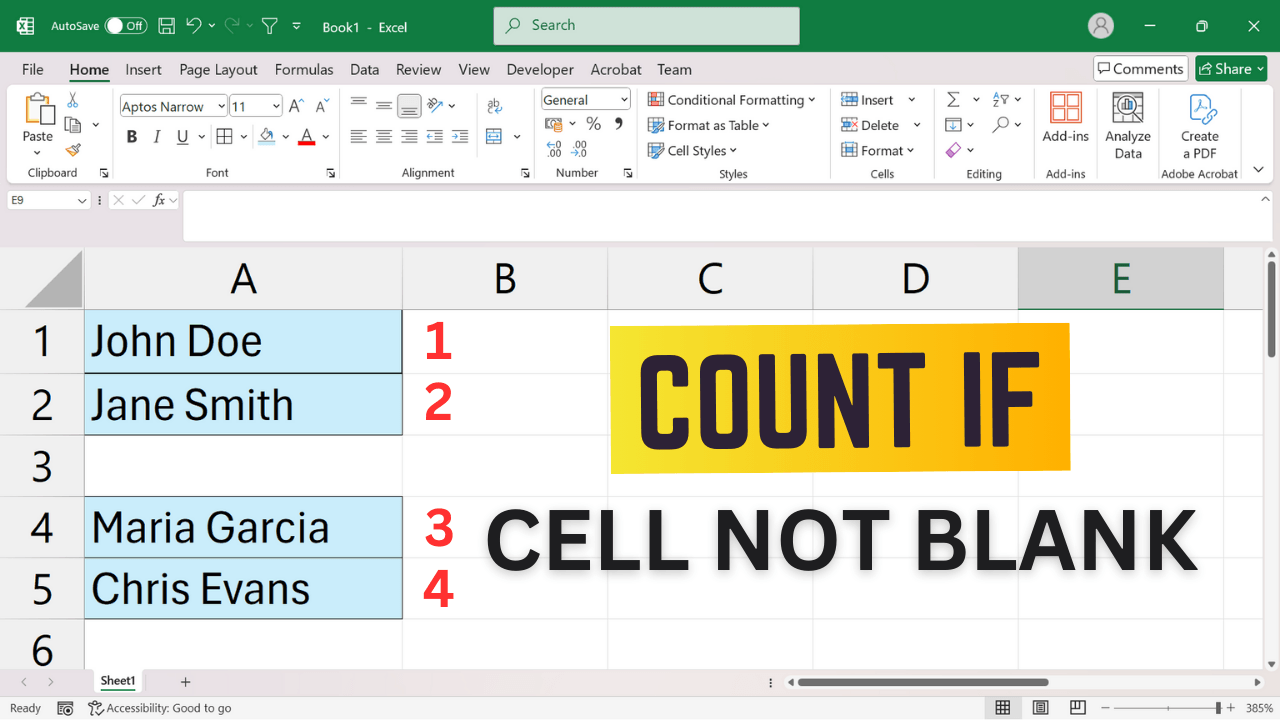
Table of Contents Toggle Quick Answer: Count Non-Blank Cells in Excel 1. Using COUNTA Function COUNTA Formula 2. Using COUNTIF to Count Visibly Non-Blank Cells COUNTIF Formula 3. Counting Non-Blank Cells in a Specific Column FAQs What is the difference between COUNTA and COUNTIF? Why is my COUNTIF function not working correctly? Example: COUNTA vs COUNTIF vs SUMPRODUCT Conclusion Related Posts Accuracy and version notes Quick Answer: Count Non-Blank Cells… Read More »How to Count Non-Blank Cells in Excel (COUNTA vs COUNTIF)
Excel
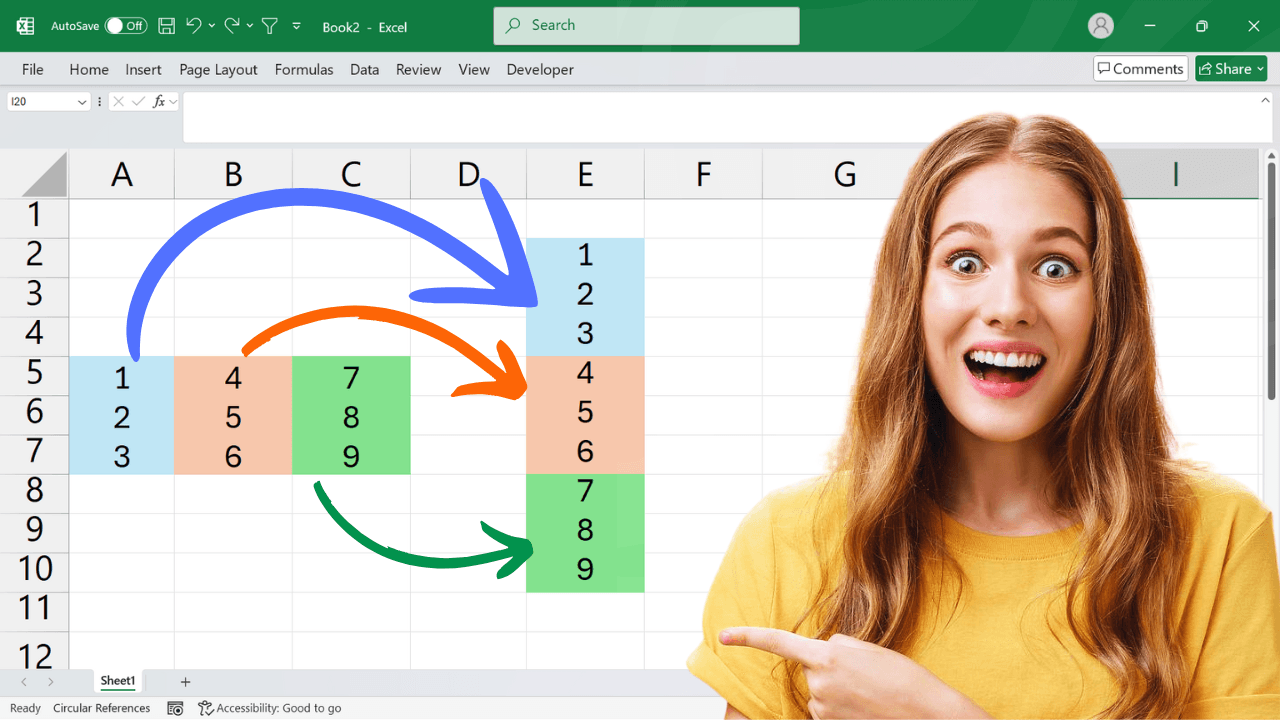
Flatten an Excel Range into One Column The TOCOL function converts a multi-column Excel range into a single vertical column. For example, =TOCOL(A1:C4) stacks the values in row order, while optional arguments let you ignore blanks or scan by column. If your Excel version does not support TOCOL, the VBA alternative below provides another approach. Use =TOCOL(A1:C4,1) to omit empty cells or =TOCOL(A1:C4,3,TRUE) to ignore blanks and errors while scanning… Read More »Flatten an Excel Range into One Column with TOCOL or VBA
Flatten an Excel Range into One Column with TOCOL or VBA
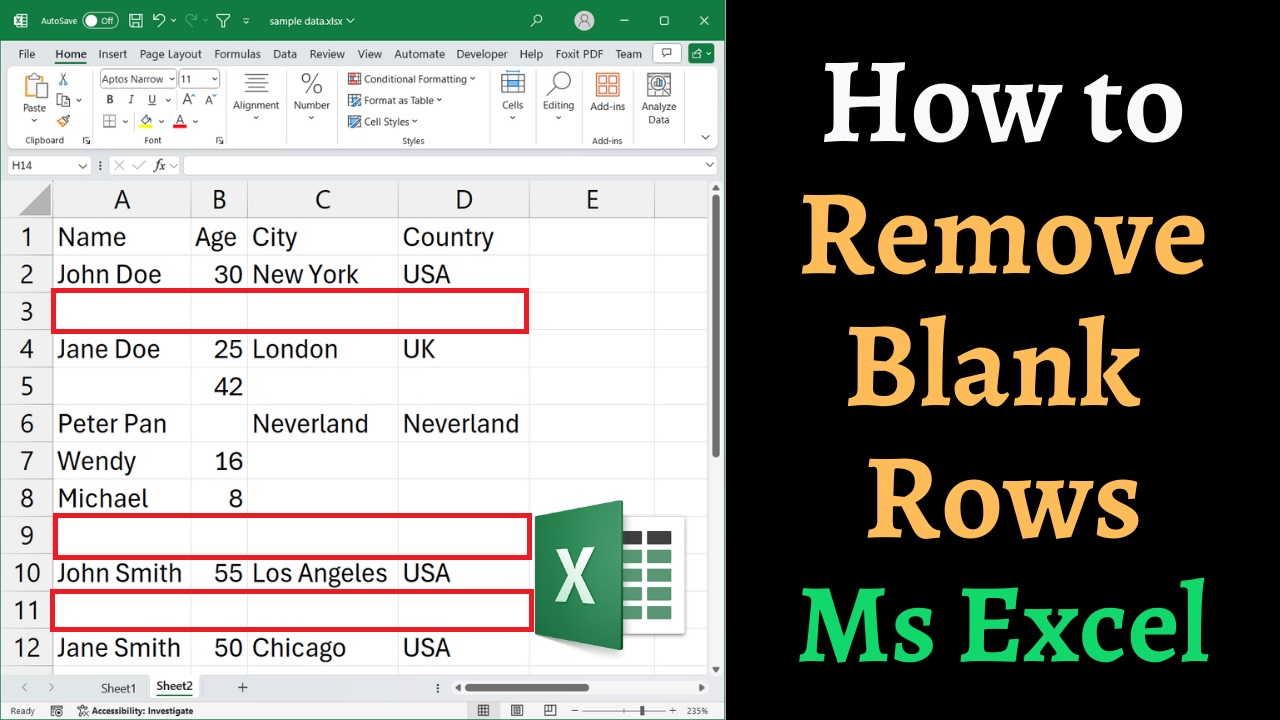
Blank rows can interfere with sorting, filtering, and reviewing Excel data. Before deleting them, decide whether you want to remove completely empty rows or rows with blanks in a particular column—these are not the same. The methods below explain how to identify and delete the right rows without accidentally removing useful records. This guide compares filtering, Go To Special and helper-column methods, with precautions for tables containing legitimate missing values.… Read More »How to Delete Blank Rows in Excel Without Losing Data
How to Delete Blank Rows in Excel Without Losing Data
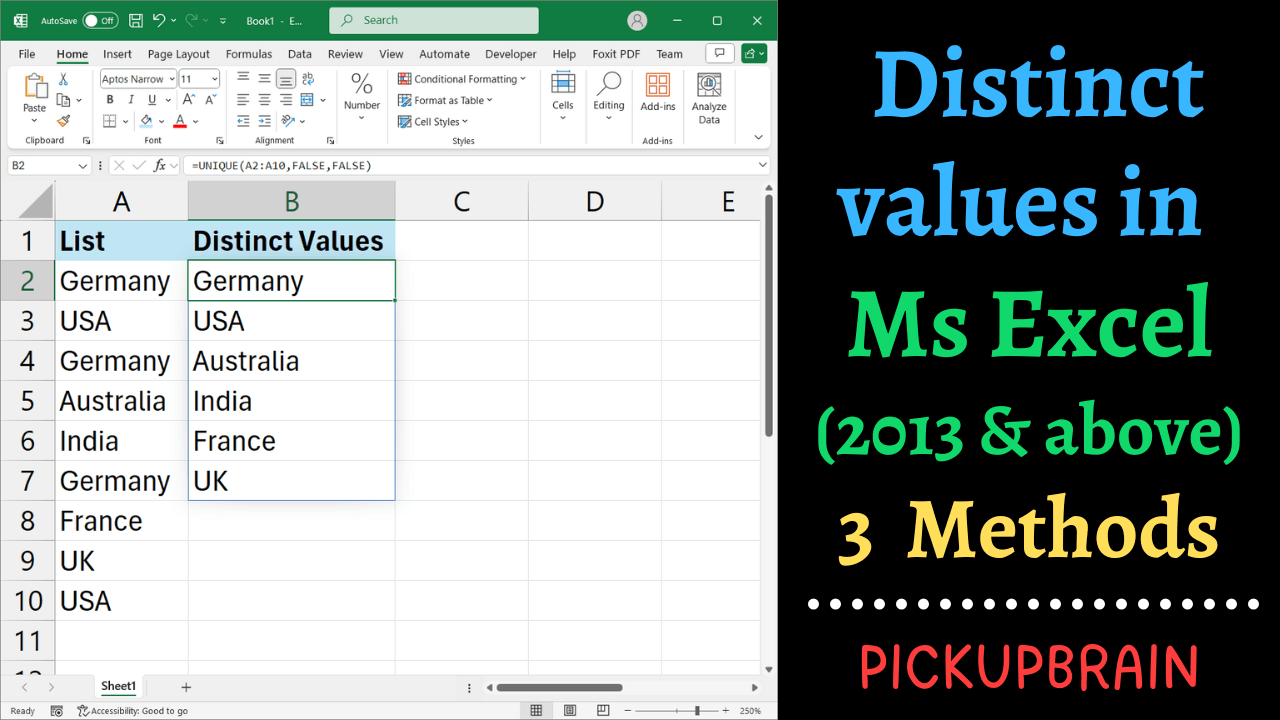
Quick answer: To extract distinct values in Excel, use =UNIQUE(A2:A20) in Microsoft 365 or Excel 2021 and later. In Excel 2013, 2016, or 2019, use Data → Advanced Filter → Unique records only to copy a distinct list without changing your original data. You can also use Remove Duplicates, but that method modifies the selected range, so make a copy first. There is a useful difference between unique and distinct… Read More »How to Get Distinct Values in Excel: UNIQUE, Filter & Duplicates
How to Get Distinct Values in Excel: UNIQUE, Filter & Duplicates
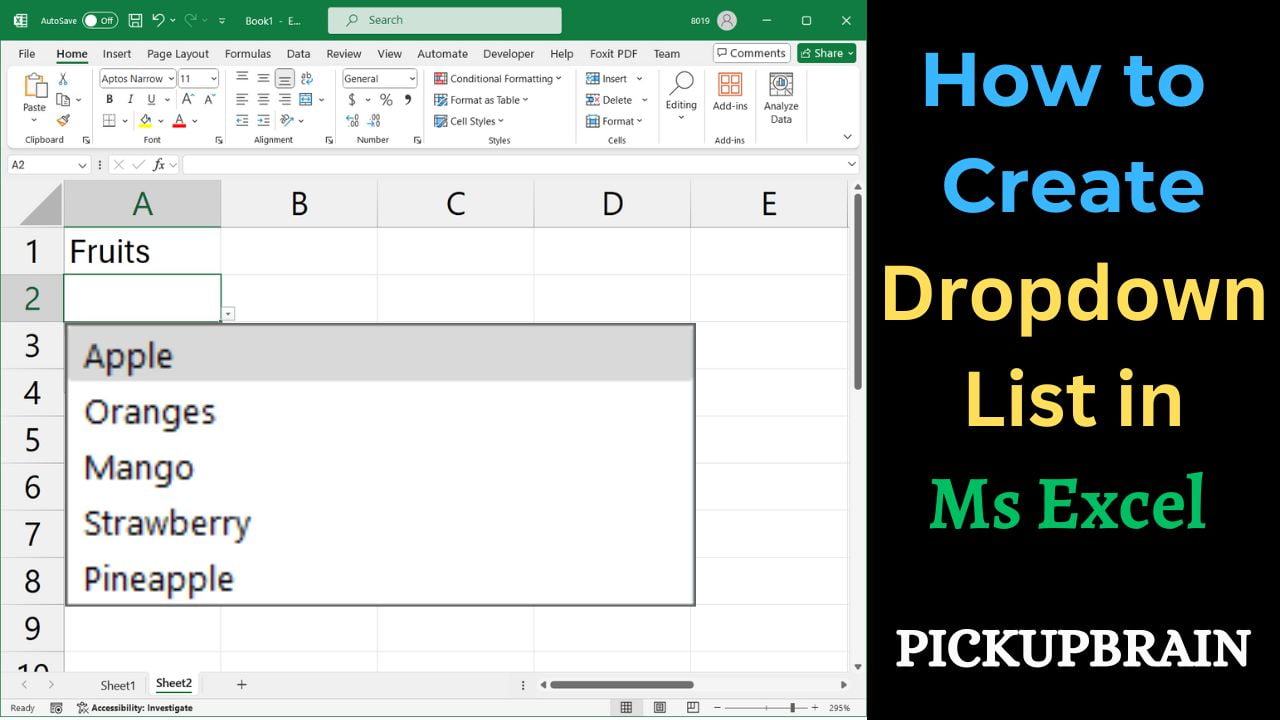
Quick answer: To create a single-select drop-down list in desktop Excel, select the destination cell, open Data → Data Validation, choose List under Allow, and enter your options or select the source range. Click OK to add the list. This step-by-step tutorial covers source ranges, validation settings, common errors, and a video demonstration. Step-by-Step Instructions 1. Prepare Your List Items First, enter the allowed values in one column, such as… Read More »How to Create a Drop-Down List in Excel (Step-by-Step)
How to Create a Drop-Down List in Excel (Step-by-Step)
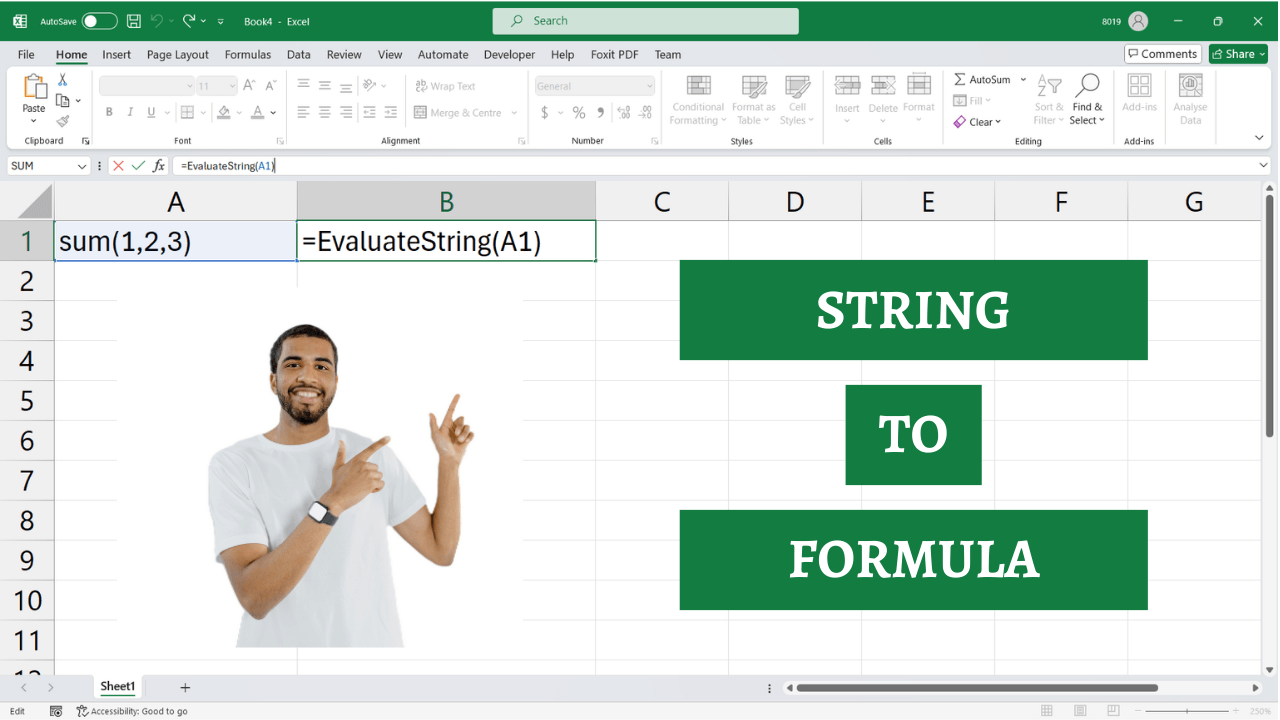
Quick answer: Excel does not have a regular worksheet function that evaluates arbitrary formula text stored in a cell. In desktop Excel, you can create a small VBA user-defined function using Application.Evaluate, then call it from another cell. This tutorial shows the code, explains its limitations, and covers common errors. Only evaluate trusted formula strings: avoid running expressions supplied by unknown users. Example: calculate a formula stored as text Suppose… Read More »How to Evaluate a Formula Stored as Text in Excel (VBA)
How to Evaluate a Formula Stored as Text in Excel (VBA)
In everyday language, unique and distinct can mean similar things. In spreadsheet analysis, however, people often use distinct values for every different item and unique-only values for items appearing exactly once. This guide explains the difference with an example, a memory trick, and Excel formulas. Note: terminology varies between tools: Excel’s UNIQUE function returns distinct values by default. Difference between Unique and Distinct Distinct: All different values in a dataset,… Read More »Unique vs Distinct Values in Excel: Difference and Examples
Unique vs Distinct Values in Excel: Difference and Examples
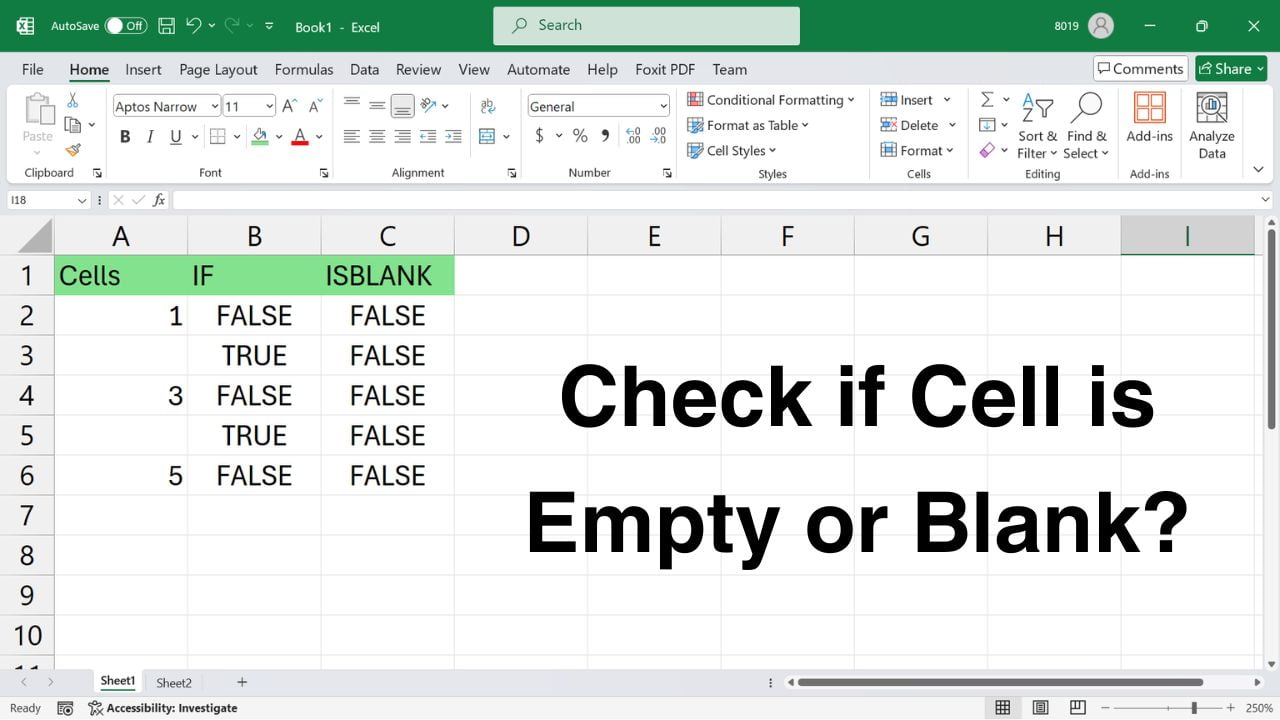
Quick answer: Use =ISBLANK(A2) to test whether an Excel cell is genuinely empty. Use =A2="" if you also want to treat a formula returning an empty string as blank. This guide explains both checks, practical IF formulas, and why cells that look empty may behave differently. Method 1: Check physically empty cells with ISBLANK Microsoft documents the blank-cell check in its IF and ISBLANK guidance. The formulas below work in… Read More »How to Check If an Excel Cell Is Blank: ISBLANK vs IF
How to Check If an Excel Cell Is Blank: ISBLANK vs IF
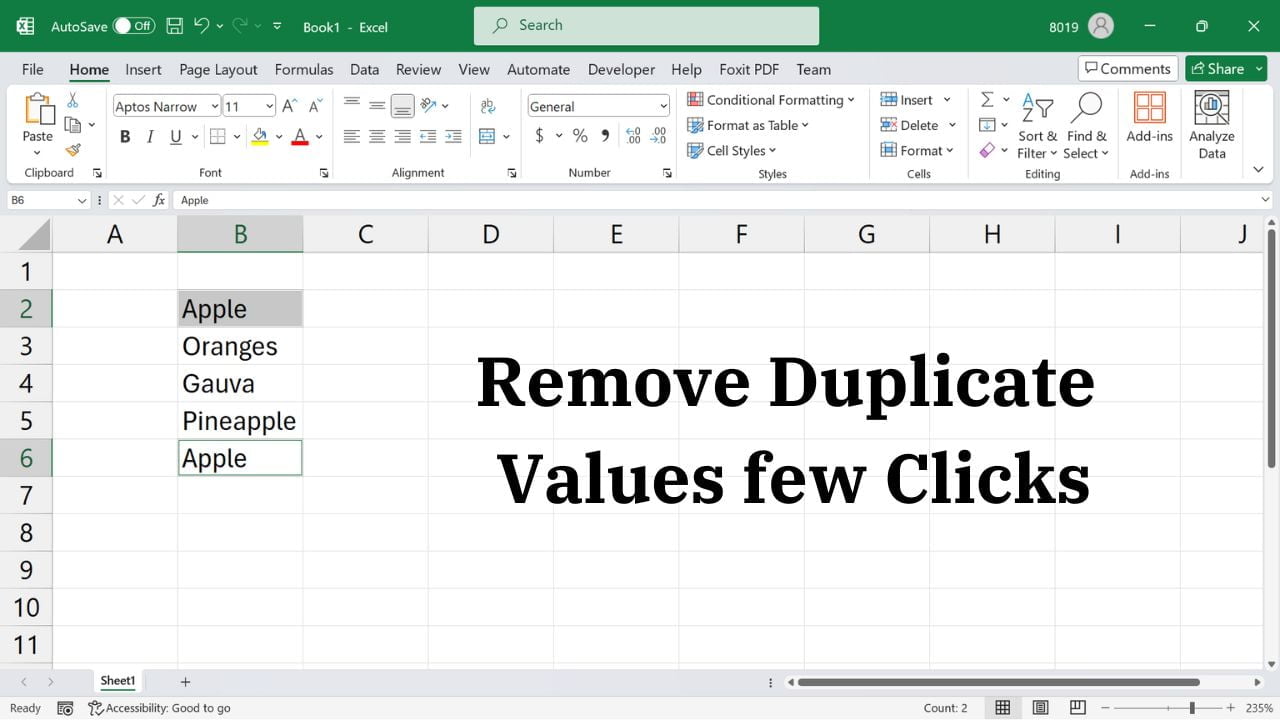
Quick answer: Select your data in Excel, choose Data → Remove Duplicates, select the columns that define a duplicate, and click OK. Excel keeps the first matching record and removes later duplicates. Make a copy of your data first, because this operation deletes rows from the selected range. Remove Duplicate Values and Rows in Excel Excel’s built-in Remove Duplicates command can clean repeated records quickly. Before starting, decide whether duplicates… Read More »How to Remove Duplicate Rows in Excel Safely (Without Losing Data)