Learn practical pandas DataFrame operations for inspecting, cleaning and summarizing tabular data. This guide distinguishes properties such as shape from callable methods such as head(), describe() and dropna(), with reproducible examples. These operations help you inspect the dimensions, data types, labels and values of a table before cleaning or analyzing it. Some are attributes (no parentheses), while others are methods (called with parentheses). Start with the self-contained example near the… Read More »10 Essential pandas DataFrame Methods and Properties (With Examples)
pandas tutorial
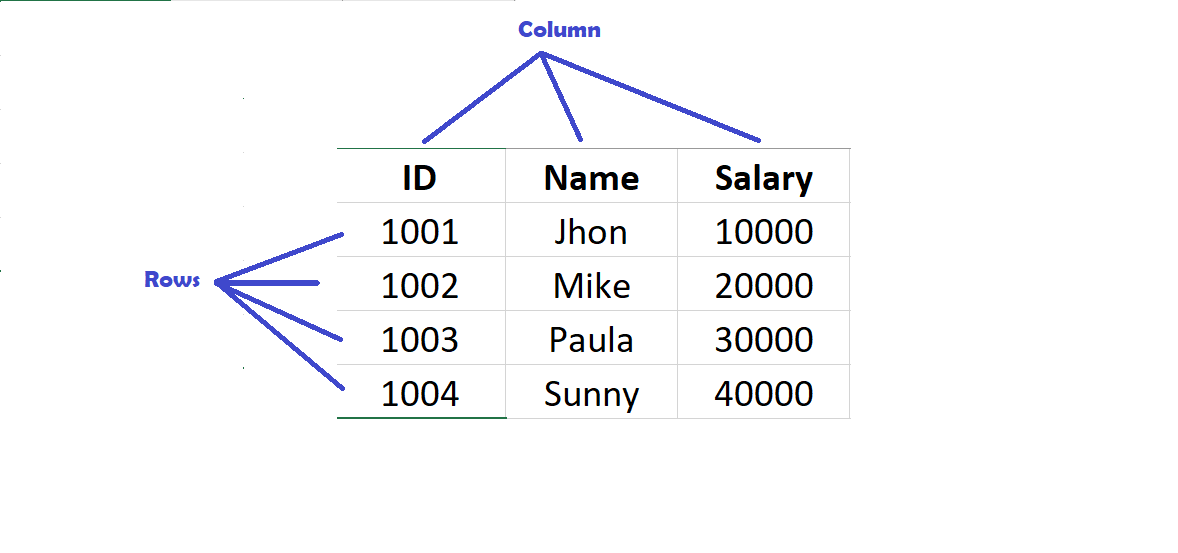
A pandas DataFrame is a two-dimensional labeled table whose columns may contain different data types. This tutorial shows practical ways to create DataFrames from Python data, CSV files and Excel worksheets. A DataFrame has labeled rows (its index) and labeled columns. Unlike a plain list of lists, it lets you select, filter, group and summarize data by column name. Key characteristics include: The columns can be of heterogeneous types like… Read More »How to Create a pandas DataFrame: Lists, Dictionaries, CSV and Excel
How to Create a pandas DataFrame: Lists, Dictionaries, CSV and Excel
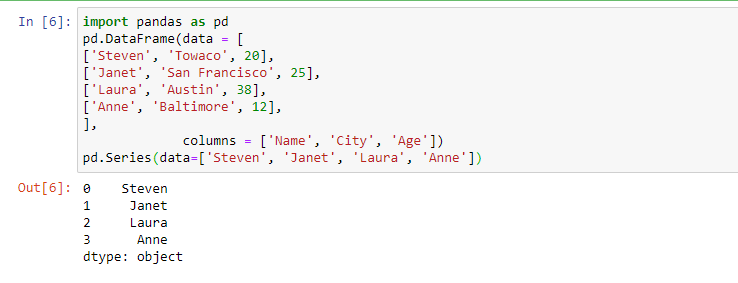
pandas is an open-source Python library for analyzing and transforming labeled data. Its core structures are Series (one-dimensional) and DataFrame (two-dimensional). This beginner guide explains what each structure does, how to install pandas and how to avoid common setup errors. What is pandas used for? Common tasks include loading CSV and Excel files, selecting rows and columns, handling missing values, joining tables, grouping records, reshaping data and analyzing dates. pandas… Read More »Introduction to pandas in Python: Series, DataFrames and Installation