Quick answer: In desktop Word for Windows, press Ctrl+H, choose More → Format → Font, select Strikethrough, and click Find Next. Leave the Find what box empty to locate text with that formatting. The steps below show how to review matches and avoid confusing strikethrough with tracked deletions. Table of Contents Introduction Strikethrough is character formatting that draws a line through text without removing the characters. It can help mark… Read More »How to Find Strikethrough Text in Microsoft Word
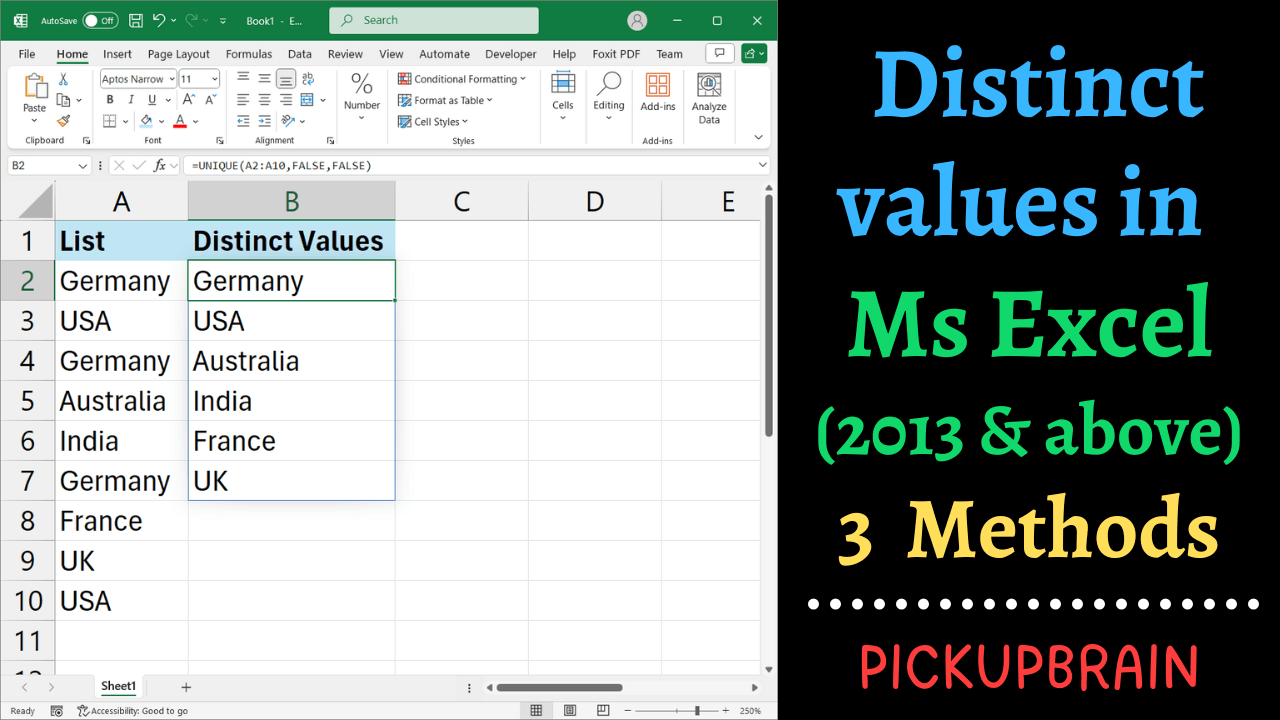
Quick answer: To extract distinct values in Excel, use =UNIQUE(A2:A20) in Microsoft 365 or Excel 2021 and later. In Excel 2013, 2016, or 2019, use Data → Advanced Filter → Unique records only to copy a distinct list without changing your original data. You can also use Remove Duplicates, but that method modifies the selected range, so make a copy first. There is a useful difference between unique and distinct… Read More »How to Get Distinct Values in Excel: UNIQUE, Filter & Duplicates
How to Get Distinct Values in Excel: UNIQUE, Filter & Duplicates
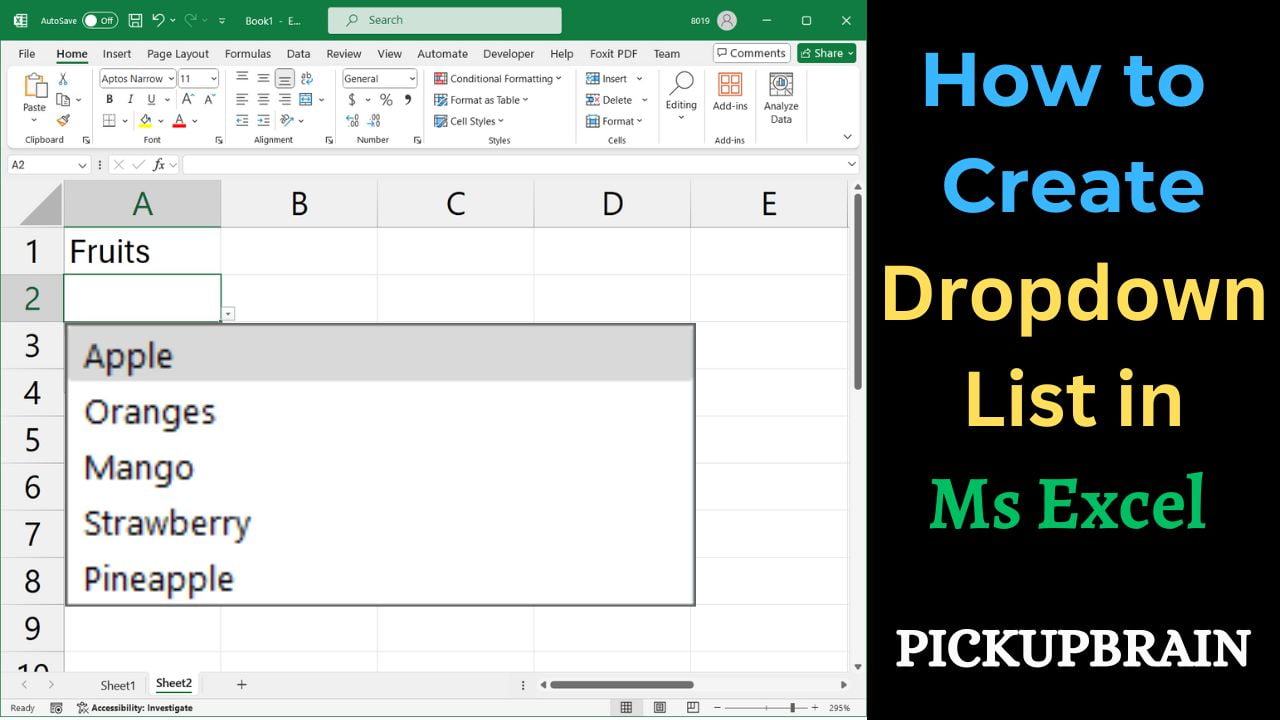
Quick answer: To create a single-select drop-down list in desktop Excel, select the destination cell, open Data → Data Validation, choose List under Allow, and enter your options or select the source range. Click OK to add the list. This step-by-step tutorial covers source ranges, validation settings, common errors, and a video demonstration. Step-by-Step Instructions 1. Prepare Your List Items First, enter the allowed values in one column, such as… Read More »How to Create a Drop-Down List in Excel (Step-by-Step)
How to Create a Drop-Down List in Excel (Step-by-Step)
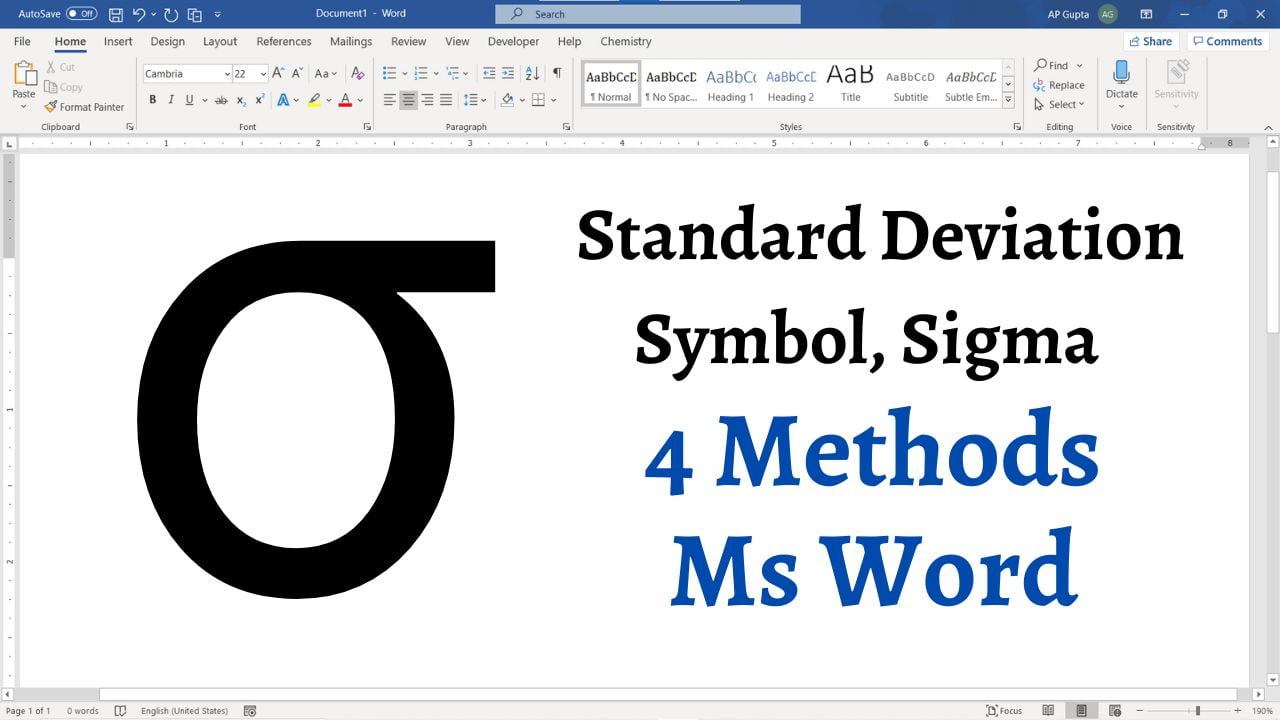
Quick answer: In Microsoft Word for Windows, type 03C3 and press Alt+X to insert the lowercase Greek sigma σ, commonly used for population standard deviation. For sample standard deviation, statistical notation normally uses the Latin letter s. Below are several ways to insert sigma in Word, including the Symbol menu and Math AutoCorrect. 1. Autocorrect Magic: In a Word equation, type \sigma and press Space to produce σ. This is Microsoft… Read More »How to Type Sigma (σ) in Word: Symbol and Shortcuts
How to Type Sigma (σ) in Word: Symbol and Shortcuts
Quick answer: In older desktop versions of Microsoft Word, you can change some comment and balloon text formatting through the Comment Text and Balloon Text styles. However, Microsoft 365’s modern comments use a different interface, and these styles may not change the appearance of modern comment cards. This guide explains the legacy method, what it can change, and the limitations in newer Word versions. Why Customize Comment Balloons? In Word… Read More »How to Customize Comment Balloons in Word (Legacy vs Modern)
How to Customize Comment Balloons in Word (Legacy vs Modern)
Quick answer: To insert a square root in Microsoft Word, press Alt+= on Windows to open an equation, type \sqrt, and press Space to convert it to a radical. For a cube root or another indexed radical, use the equation editor’s Radical gallery to add an index placeholder; this is more predictable across Word versions than a memorized text command. This guide explains the shortcuts and how to type expressions… Read More »Square Root and Cube Root Shortcuts in Microsoft Word
Square Root and Cube Root Shortcuts in Microsoft Word
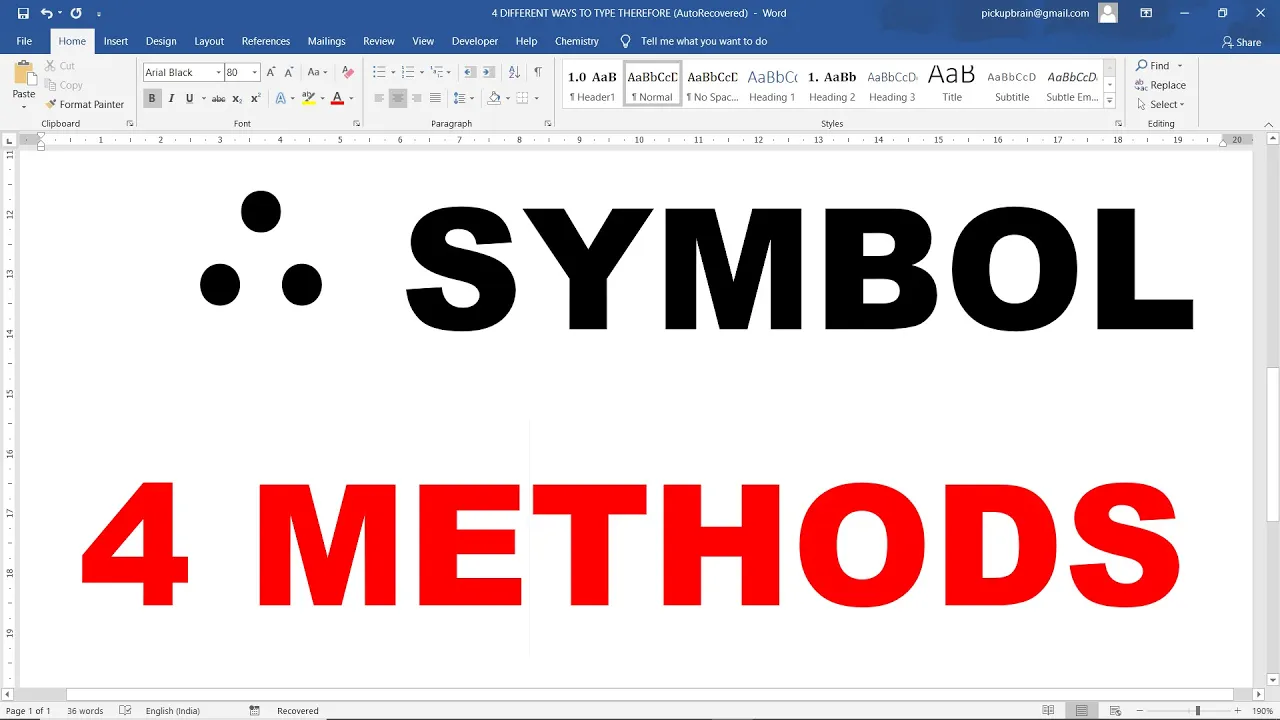
The therefore symbol (∴) is a three-dot mathematical and logical symbol meaning “therefore” or “as a result.” The fastest reliable method in desktop Microsoft Word for Windows is to type 2234 and press Alt+X. You can also insert it from the Symbol menu or use Math AutoCorrect in an equation. How to insert the therefore symbol in Microsoft Word Below are four ways to insert ∴ in Word. Choose the… Read More »How to Type the Therefore Symbol (∴) in Word: 4 Methods
How to Type the Therefore Symbol (∴) in Word: 4 Methods
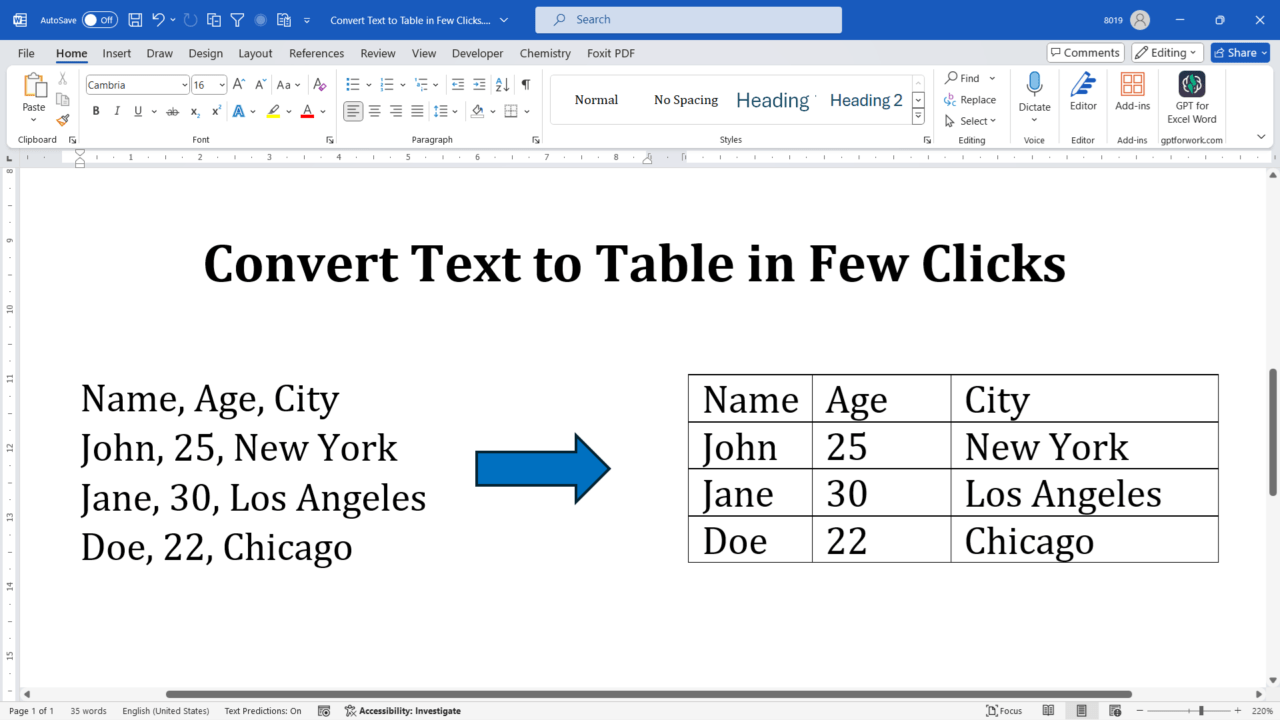
Quick answer: To convert text into a table in desktop Microsoft Word, separate the values in each row with tabs (or another consistent delimiter), select the text, and choose Insert → Table → Convert Text to Table. Set the number of columns and delimiter, then click OK. This guide includes examples and fixes for uneven columns. Step-by-Step Guide to Converting Text to a Table Step 1: Prepare Your Text Prepare… Read More »Convert Text to a Table in Word: Steps, Examples and Fixes
Convert Text to a Table in Word: Steps, Examples and Fixes
Introduction Quick answer: In Microsoft Word, select a picture and choose Picture Format → Wrap Text (or the Layout Options button beside the picture). Choose In Line with Text to keep it in the text flow, Square or Tight to wrap text around it, or Top and Bottom to keep text off its sides. The right option depends on whether you need a stable report layout or a more flexible… Read More »Text Wrapping in Microsoft Word: All 7 Options Explained
Text Wrapping in Microsoft Word: All 7 Options Explained
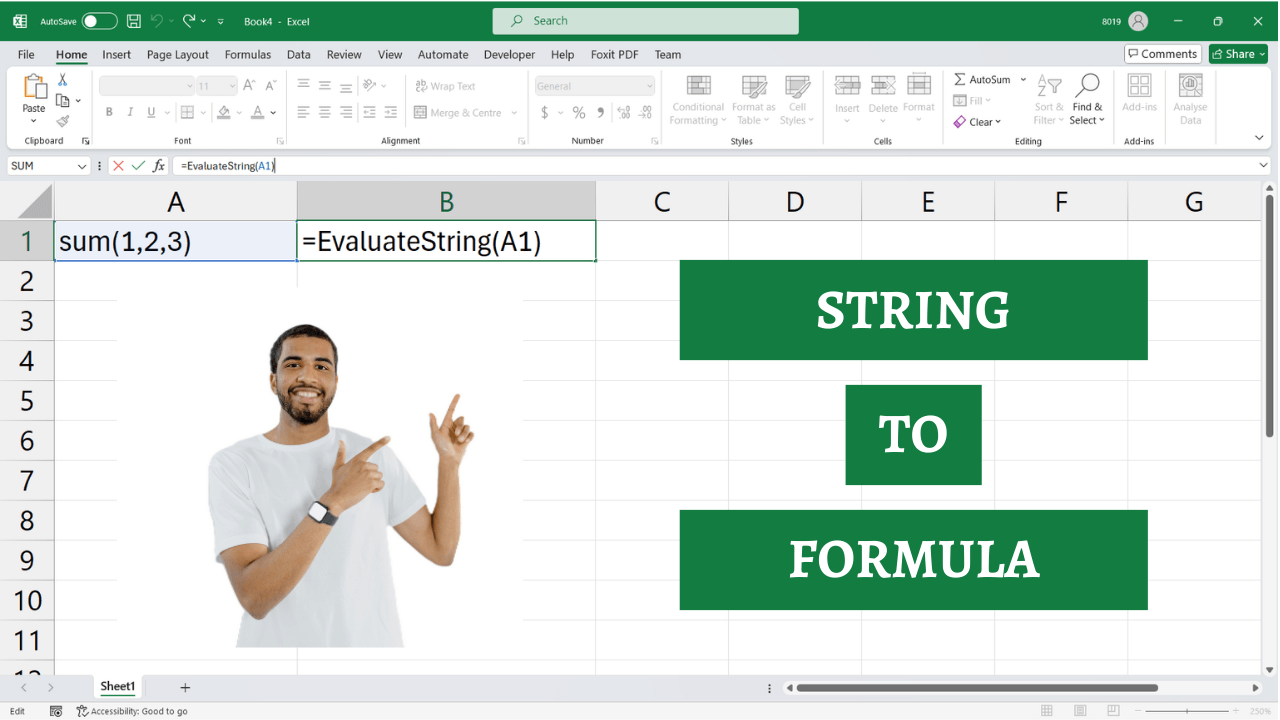
Quick answer: Excel does not have a regular worksheet function that evaluates arbitrary formula text stored in a cell. In desktop Excel, you can create a small VBA user-defined function using Application.Evaluate, then call it from another cell. This tutorial shows the code, explains its limitations, and covers common errors. Only evaluate trusted formula strings: avoid running expressions supplied by unknown users. Example: calculate a formula stored as text Suppose… Read More »How to Evaluate a Formula Stored as Text in Excel (VBA)