Skip to content

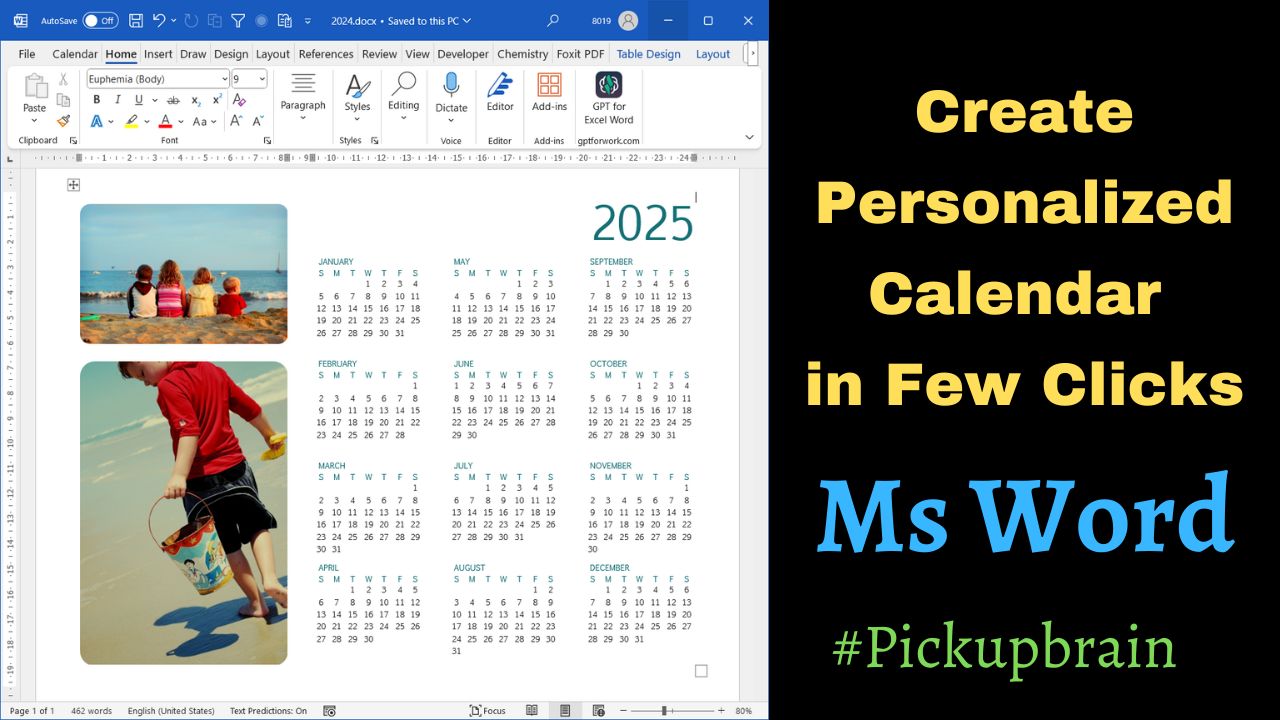
Choose a calendar template or build your own You can create a personalized yearly calendar in Microsoft Word using a calendar template or a table. Start with a template for the quickest setup, then adjust dates, fonts, colors, and space for notes. This step-by-step guide shows how to make a practical calendar without advanced design software. Step-by-Step Guide to Creating a Yearly Calendar in Word 1. Open Microsoft Word Open… Read More »Create a Yearly Calendar in Word: Templates and Manual Layout
Create a Yearly Calendar in Word: Templates and Manual Layout
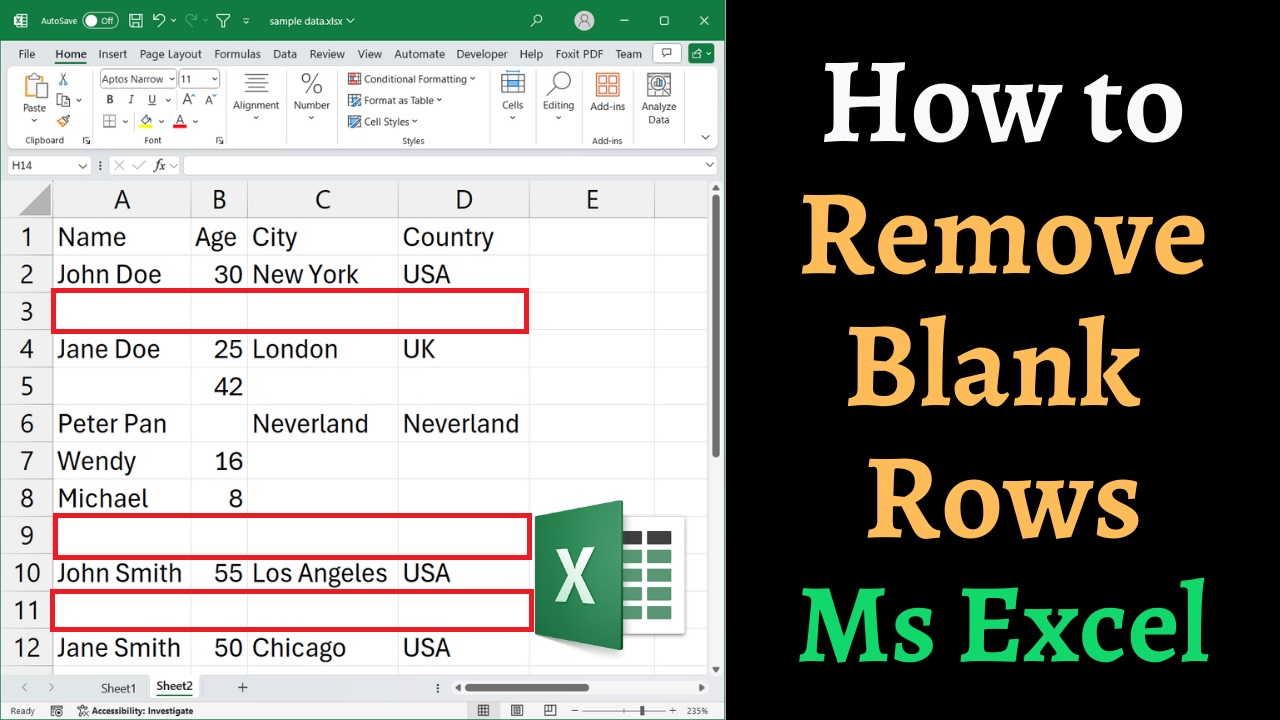
Blank rows can interfere with sorting, filtering, and reviewing Excel data. Before deleting them, decide whether you want to remove completely empty rows or rows with blanks in a particular column—these are not the same. The methods below explain how to identify and delete the right rows without accidentally removing useful records. This guide compares filtering, Go To Special and helper-column methods, with precautions for tables containing legitimate missing values.… Read More »How to Delete Blank Rows in Excel Without Losing Data

How to Delete Blank Rows in Excel Without Losing Data

  • by

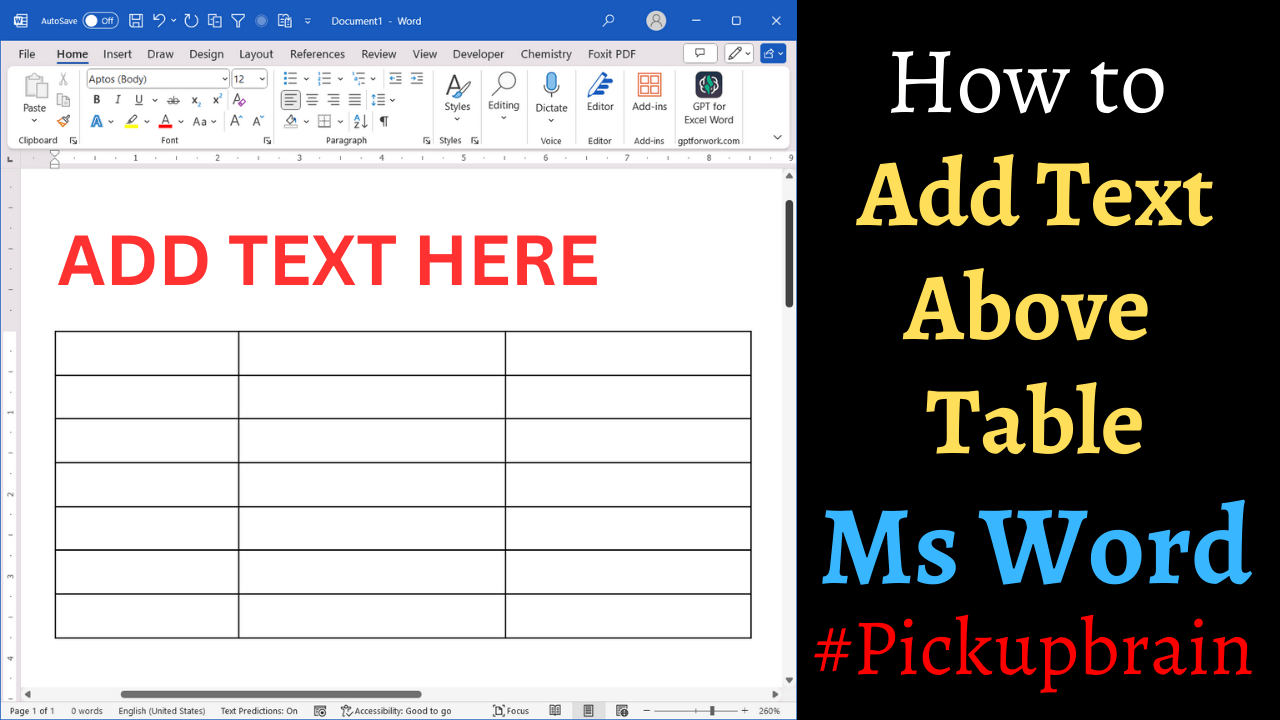
If a table is the first element in a Word document, it can be difficult to place the cursor above it. You can usually create a paragraph before the table without moving or recreating the table. This guide shows practical methods for inserting a heading, introduction, or other text above a table. Why is This an Issue? A table can be the first element in the document body, leaving no… Read More »How to Insert Text Above a Table in Microsoft Word

How to Insert Text Above a Table in Microsoft Word

  • by

Quick fix for an accidentally accepted spelling On Word for Windows, choose File > Options > Proofing > Custom Dictionaries, select the dictionary where the word was added, then Edit Word List > Delete. On Word for Mac, open Word > Preferences or Settings > Spelling & Grammar > Dictionaries (labels vary by release) and edit the custom dictionary. A word added to a different dictionary may not appear in… Read More »Remove a Word from Word’s Custom Dictionary (Windows and Mac)

Remove a Word from Word’s Custom Dictionary (Windows and Mac)

  • by

Quick formula: preserve real zeros For a genuinely empty source cell A1, use =IF(ISBLANK(A1),"",A1). If A1 contains a formula returning "", ISBLANK returns FALSE because the cell contains a formula. To treat both true blanks and empty-string results as visually blank, consider =IF(A1="","",A1); test it on real zero values and text before applying across a workbook. Why Do Blank Cells Show as Zero in Excel? In Excel, a formula such… Read More »Excel: Show Blank Instead of Zero When a Referenced Cell Is Empty

Excel: Show Blank Instead of Zero When a Referenced Cell Is Empty

  • by

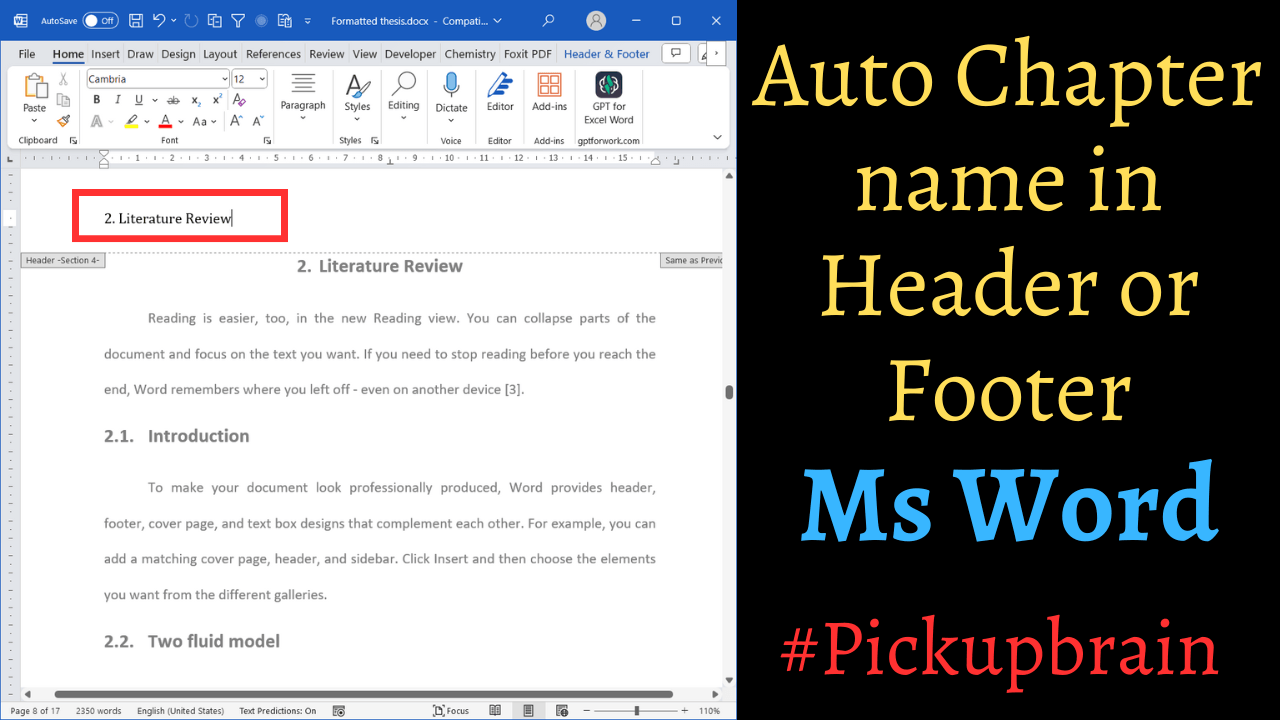
Quick answer: insert a STYLEREF field Apply the built-in Heading 1 style to each chapter title. Double-click the header, then choose Insert > Quick Parts > Field > StyleRef and select Heading 1. Alternatively press Ctrl+F9 on Windows to insert Word’s field braces, type STYLEREF "Heading 1" inside them, then press F9 to update the field. Do not type ordinary curly braces manually; Word will treat those as plain text.… Read More »Automatically Insert Chapter Titles in Word Headers with STYLEREF

Automatically Insert Chapter Titles in Word Headers with STYLEREF

  • by

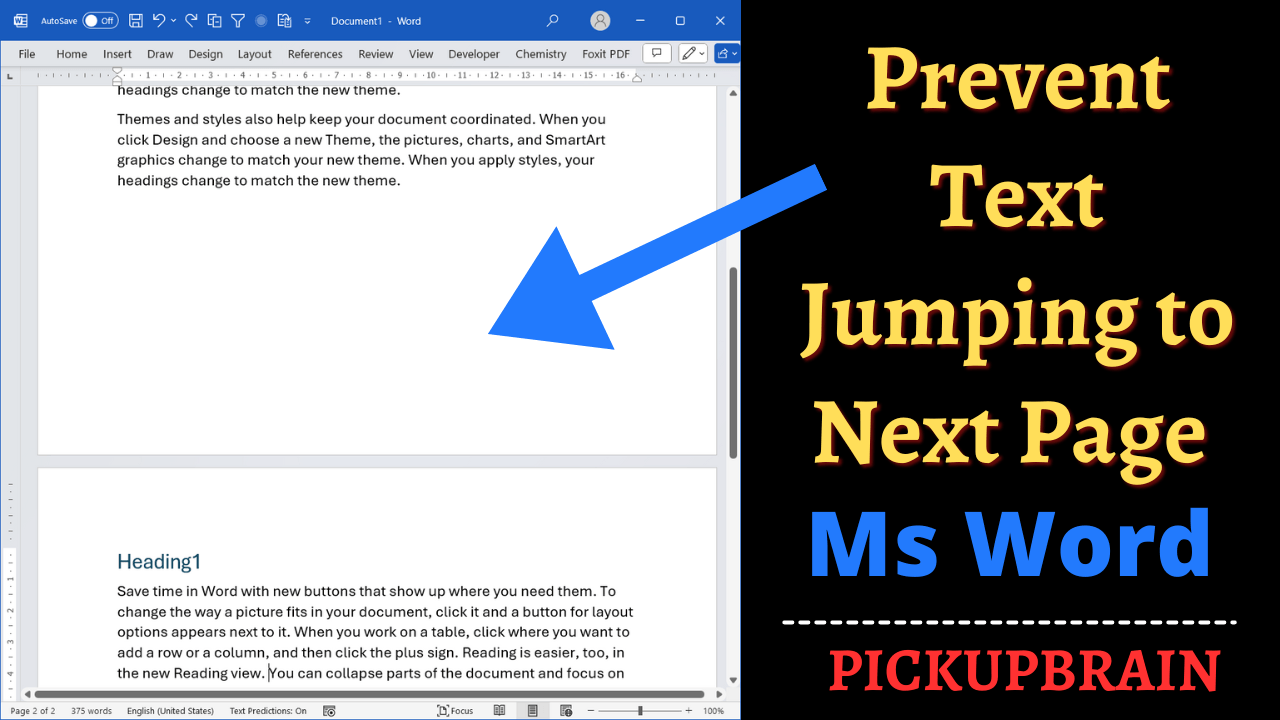
When Microsoft Word unexpectedly moves text to the next page, the cause is often a manual break or a paragraph pagination setting. Start by showing formatting marks, then check the affected paragraph’s Line and Page Breaks options. This guide explains how to identify the cause without disrupting the rest of your document. Follow these troubleshooting steps in order, beginning with the quickest checks. Key Takeaways: Why Does Text Jump to… Read More »Text Jumping to the Next Page in Word: Pagination Fixes

Text Jumping to the Next Page in Word: Pagination Fixes

Microsoft Word normally displays unvisited and followed hyperlinks in different colors. To change them consistently throughout a document, modify the Hyperlink and FollowedHyperlink styles. You can also format individual links, but style-based changes are easier to maintain in longer documents. Why Change Hyperlink Colors? Consistent link colors make a document easier to scan. Choose colors with sufficient contrast against the page background, and retain an underline or another visual cue… Read More »Change Hyperlink Color in Word: Hyperlink and FollowedHyperlink Styles

Change Hyperlink Color in Word: Hyperlink and FollowedHyperlink Styles

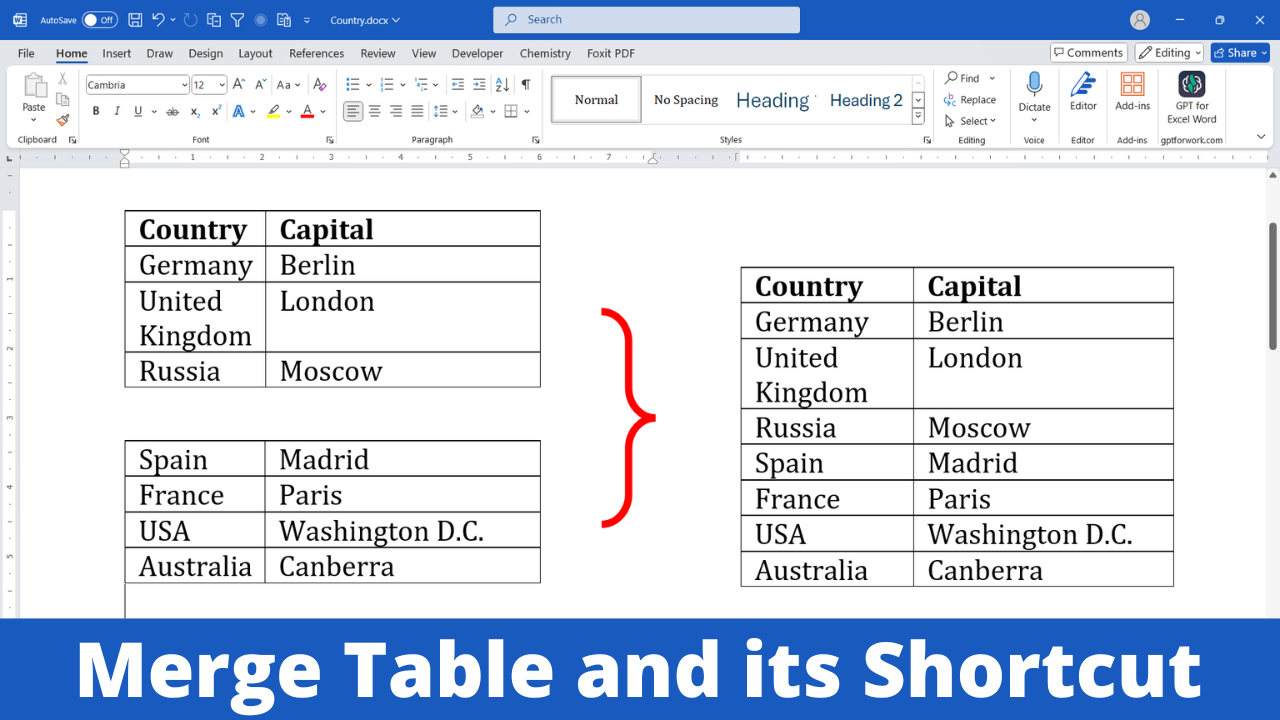
Introduction to Merging Tables in Microsoft Word To combine two tables in Microsoft Word, remove the paragraph or other content separating them when their layouts are compatible. Word may merge the tables automatically once they are adjacent. If that does not work, check text wrapping, table properties, and the formatting between them using the troubleshooting steps below. Step-by-Step Guide to Merging Tables in Microsoft Word 1. Prepare Your Tables Method… Read More »How to Merge Two Tables in Word: Safe Methods and Fixes

How to Merge Two Tables in Word: Safe Methods and Fixes

  • by