Skip to content

Microsoft Word

Microsoft Word also known as Ms Word is one of the office productivity applications included in the Microsoft Office suite. It is one of the most preferred Word processors. Our blog is dedicated to make use of Word simple, easy and efficient. It covers Tips and Tricks to use Ms Word for creating report, thesis and dissertation, equation and more.

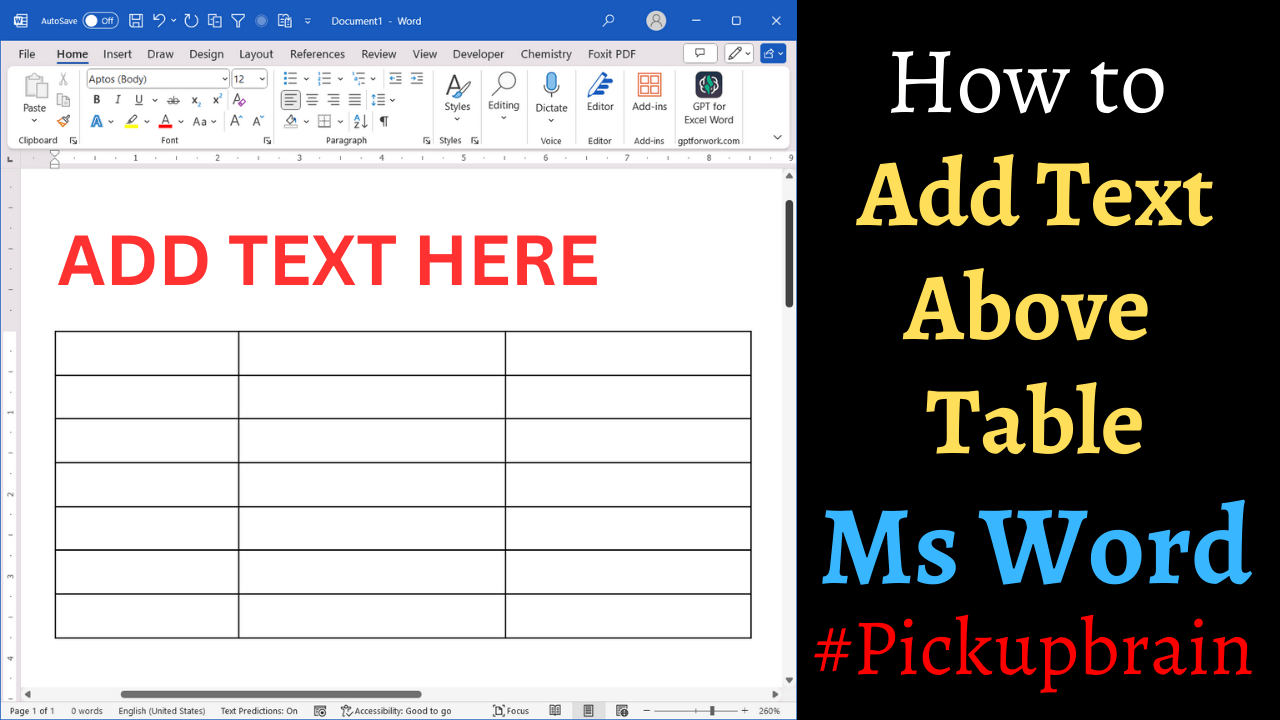
If a table is the first element in a Word document, it can be difficult to place the cursor above it. You can usually create a paragraph before the table without moving or recreating the table. This guide shows practical methods for inserting a heading, introduction, or other text above a table. Why is This an Issue? A table can be the first element in the document body, leaving no… Read More »How to Insert Text Above a Table in Microsoft Word
How to Insert Text Above a Table in Microsoft Word
  • by

Quick fix for an accidentally accepted spelling On Word for Windows, choose File > Options > Proofing > Custom Dictionaries, select the dictionary where the word was added, then Edit Word List > Delete. On Word for Mac, open Word > Preferences or Settings > Spelling & Grammar > Dictionaries (labels vary by release) and edit the custom dictionary. A word added to a different dictionary may not appear in… Read More »Remove a Word from Word’s Custom Dictionary (Windows and Mac)

Remove a Word from Word’s Custom Dictionary (Windows and Mac)

  • by

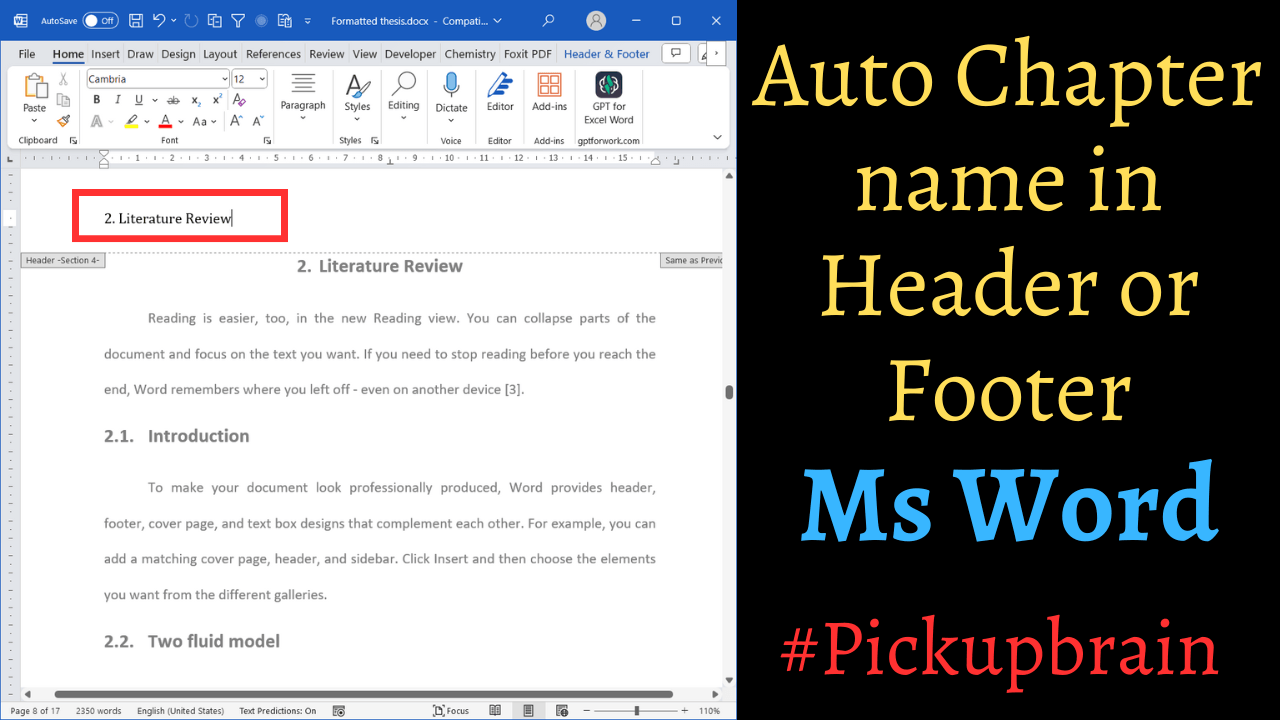
Quick answer: insert a STYLEREF field Apply the built-in Heading 1 style to each chapter title. Double-click the header, then choose Insert > Quick Parts > Field > StyleRef and select Heading 1. Alternatively press Ctrl+F9 on Windows to insert Word’s field braces, type STYLEREF "Heading 1" inside them, then press F9 to update the field. Do not type ordinary curly braces manually; Word will treat those as plain text.… Read More »Automatically Insert Chapter Titles in Word Headers with STYLEREF

Automatically Insert Chapter Titles in Word Headers with STYLEREF

  • by

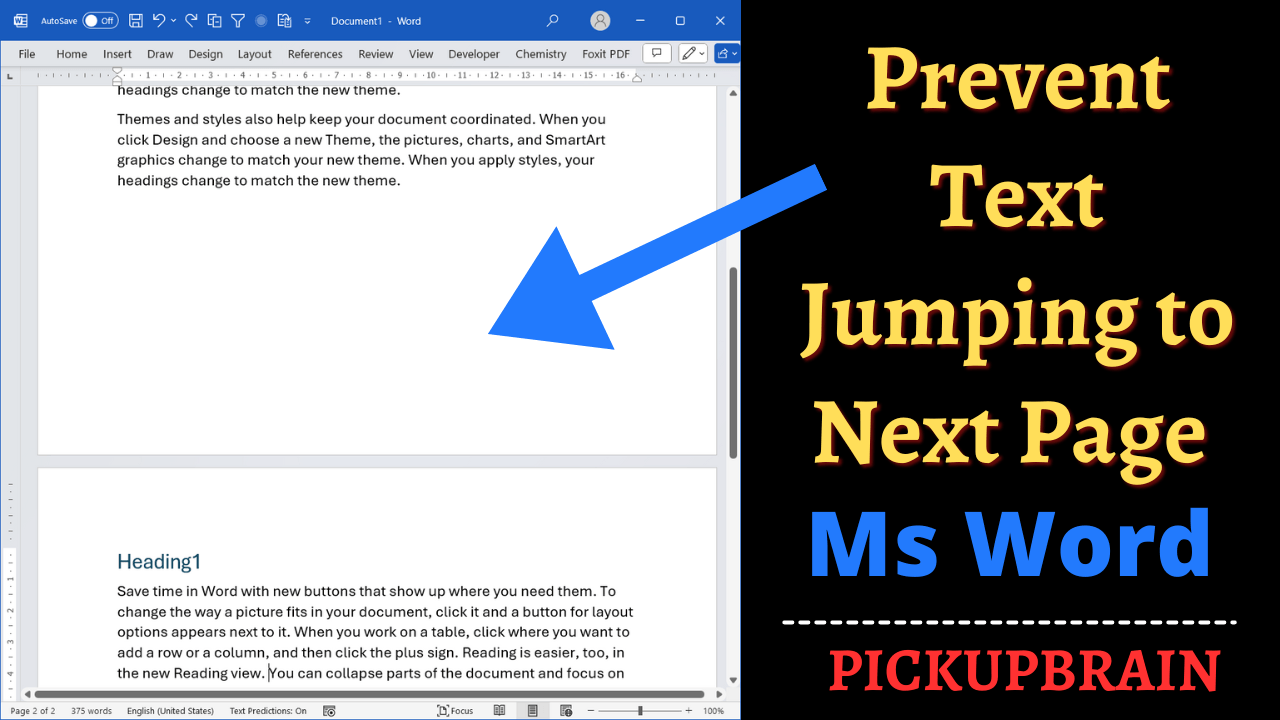
When Microsoft Word unexpectedly moves text to the next page, the cause is often a manual break or a paragraph pagination setting. Start by showing formatting marks, then check the affected paragraph’s Line and Page Breaks options. This guide explains how to identify the cause without disrupting the rest of your document. Follow these troubleshooting steps in order, beginning with the quickest checks. Quick diagnosis Why Does Text Jump to… Read More »Text Jumping to the Next Page in Word: Pagination Fixes

Text Jumping to the Next Page in Word: Pagination Fixes

Microsoft Word normally displays unvisited and followed hyperlinks in different colors. To change them consistently throughout a document, modify the Hyperlink and FollowedHyperlink styles. You can also format individual links, but style-based changes are easier to maintain in longer documents. Why Change Hyperlink Colors? Consistent link colors make a document easier to scan. Choose colors with sufficient contrast against the page background, and retain an underline or another visual cue… Read More »Change Hyperlink Color in Word: Hyperlink and FollowedHyperlink Styles

Change Hyperlink Color in Word: Hyperlink and FollowedHyperlink Styles

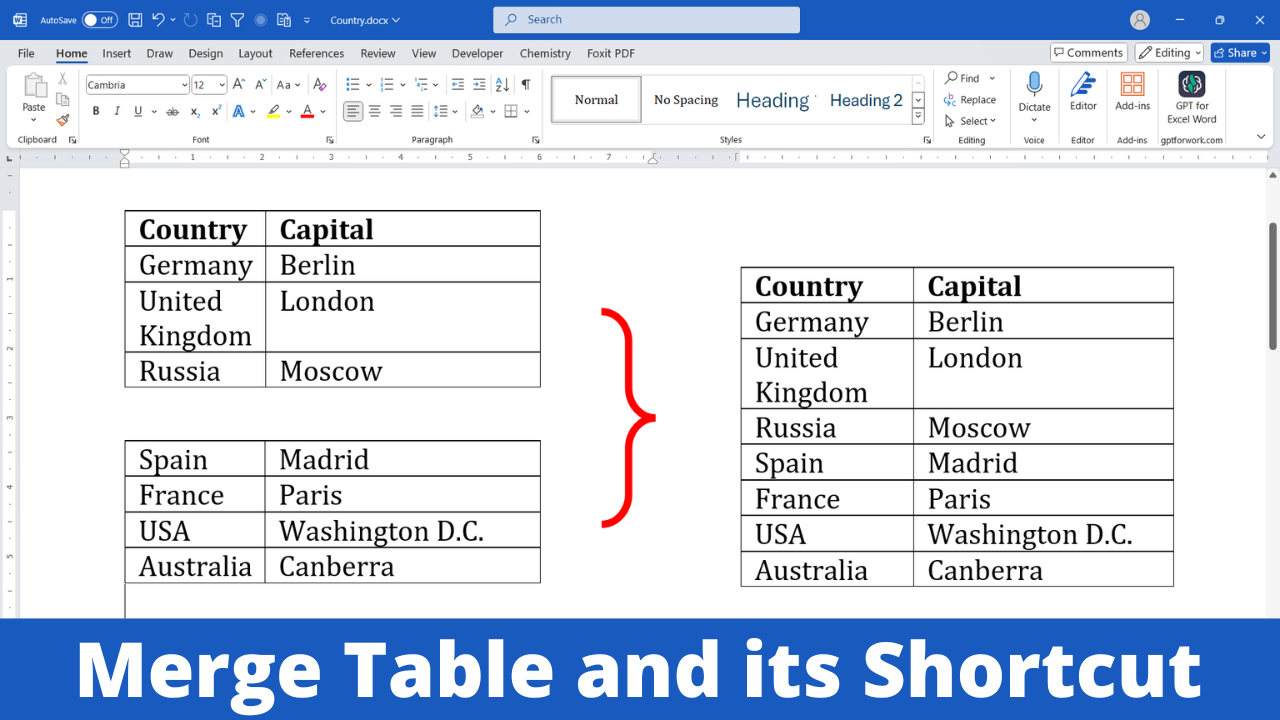
Introduction to Merging Tables in Microsoft Word To combine two tables in Microsoft Word, remove the paragraph or other content separating them when their layouts are compatible. Word may merge the tables automatically once they are adjacent. If that does not work, check text wrapping, table properties, and the formatting between them using the troubleshooting steps below. Step-by-Step Guide to Merging Tables in Microsoft Word 1. Prepare Your Tables Method… Read More »How to Merge Two Tables in Word: Safe Methods and Fixes

How to Merge Two Tables in Word: Safe Methods and Fixes

  • by

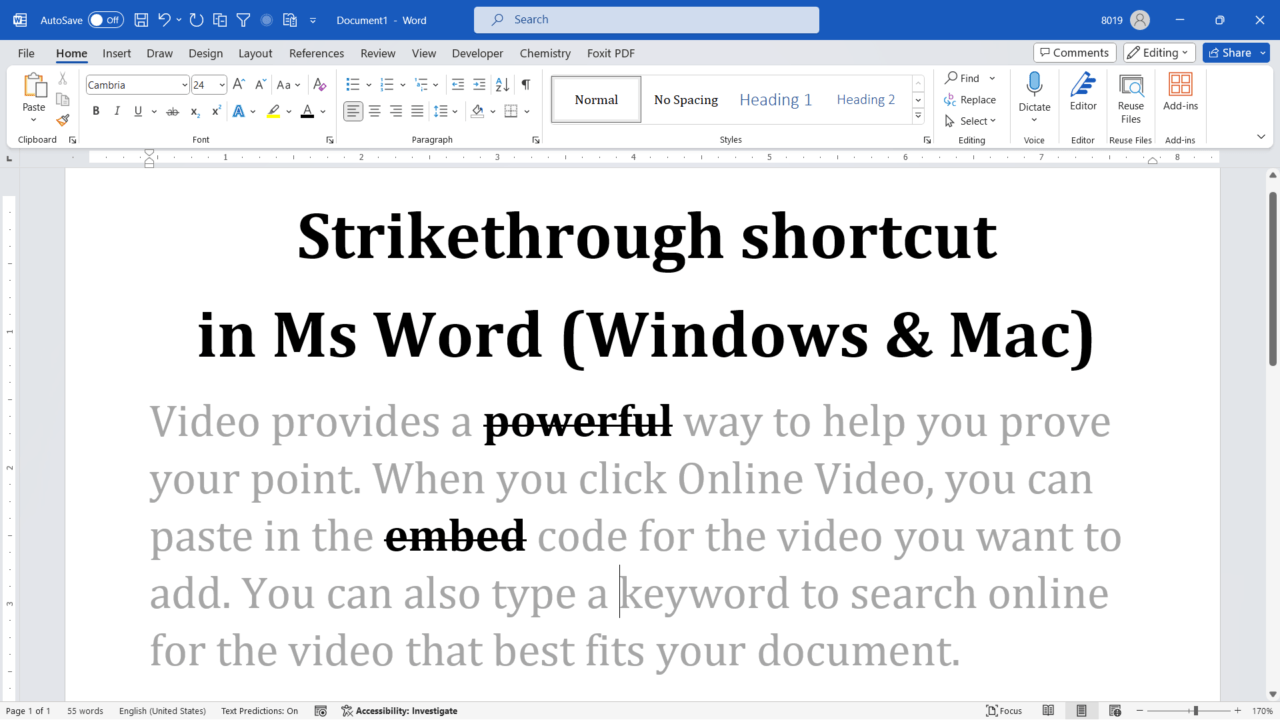
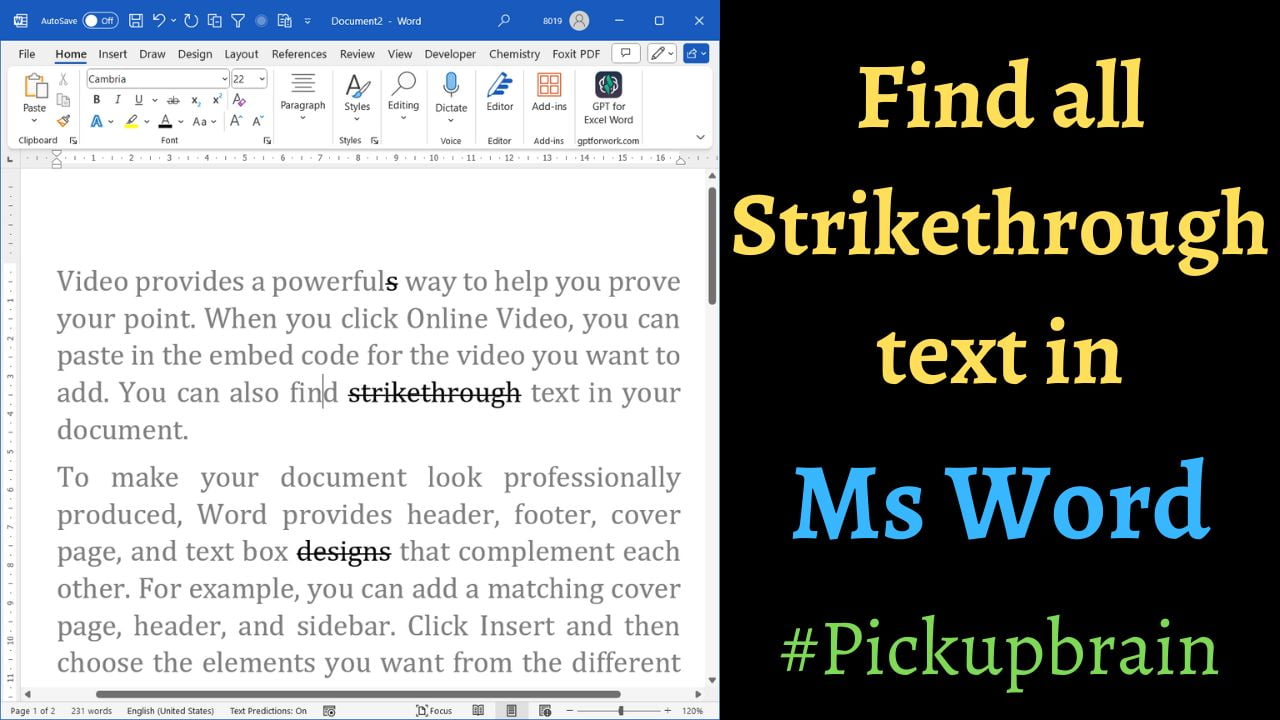
Quick answer: In desktop Word for Windows, press Ctrl+H, choose More → Format → Font, select Strikethrough, and click Find Next. Leave the Find what box empty to locate text with that formatting. The steps below show how to review matches and avoid confusing strikethrough with tracked deletions. Table of Contents Introduction Strikethrough is character formatting that draws a line through text without removing the characters. It can help mark… Read More »How to Find Strikethrough Text in Microsoft Word

How to Find Strikethrough Text in Microsoft Word

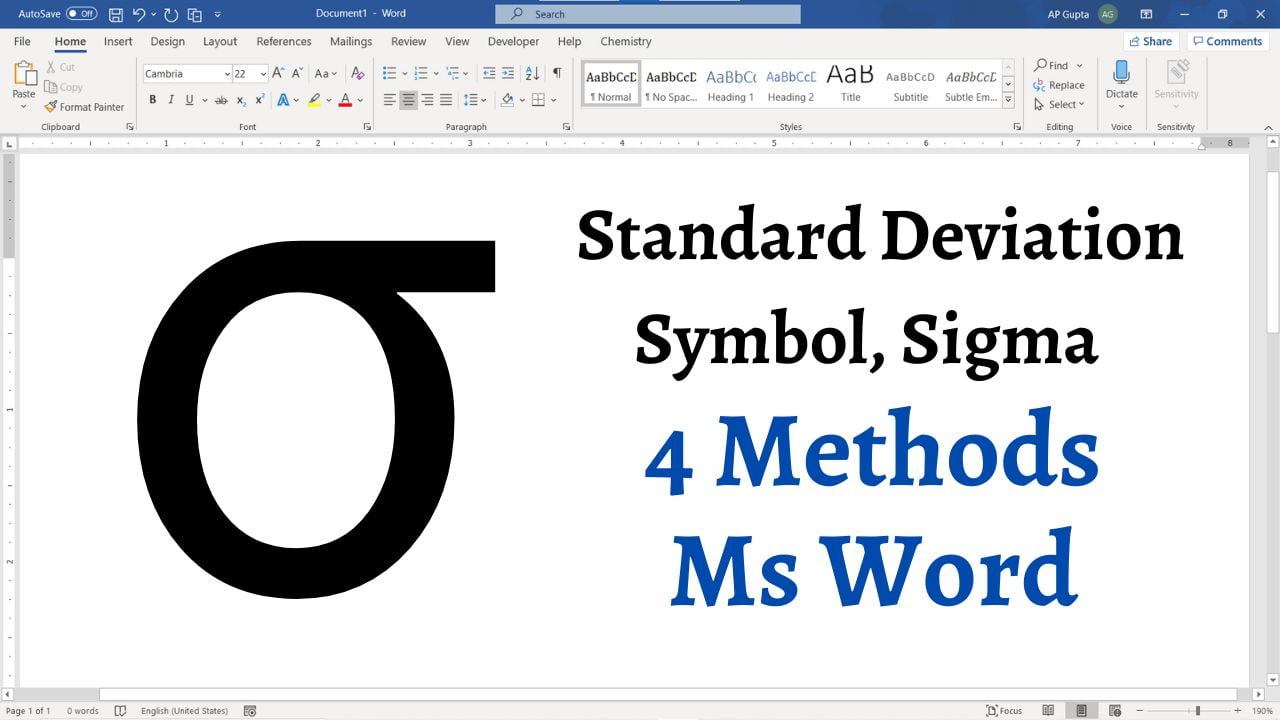
Quick answer: In Microsoft Word for Windows, type 03C3 and press Alt+X to insert the lowercase Greek sigma σ, commonly used for population standard deviation. For sample standard deviation, statistical notation normally uses the Latin letter s. Below are several ways to insert sigma in Word, including the Symbol menu and Math AutoCorrect. 1. Autocorrect Magic: In a Word equation, type \sigma and press Space to produce σ. This is Microsoft… Read More »How to Type Sigma (σ) in Word: Symbol and Shortcuts

How to Type Sigma (σ) in Word: Symbol and Shortcuts

Quick answer: In older desktop versions of Microsoft Word, you can change some comment and balloon text formatting through the Comment Text and Balloon Text styles. However, Microsoft 365’s modern comments use a different interface, and these styles may not change the appearance of modern comment cards. This guide explains the legacy method, what it can change, and the limitations in newer Word versions. Why Customize Comment Balloons? In Word… Read More »How to Customize Comment Balloons in Word (Legacy vs Modern)

How to Customize Comment Balloons in Word (Legacy vs Modern)