Learn pandas head() and tail() with tested DataFrame examples, negative row counts, Series previews, and why head() is not a sorting method.
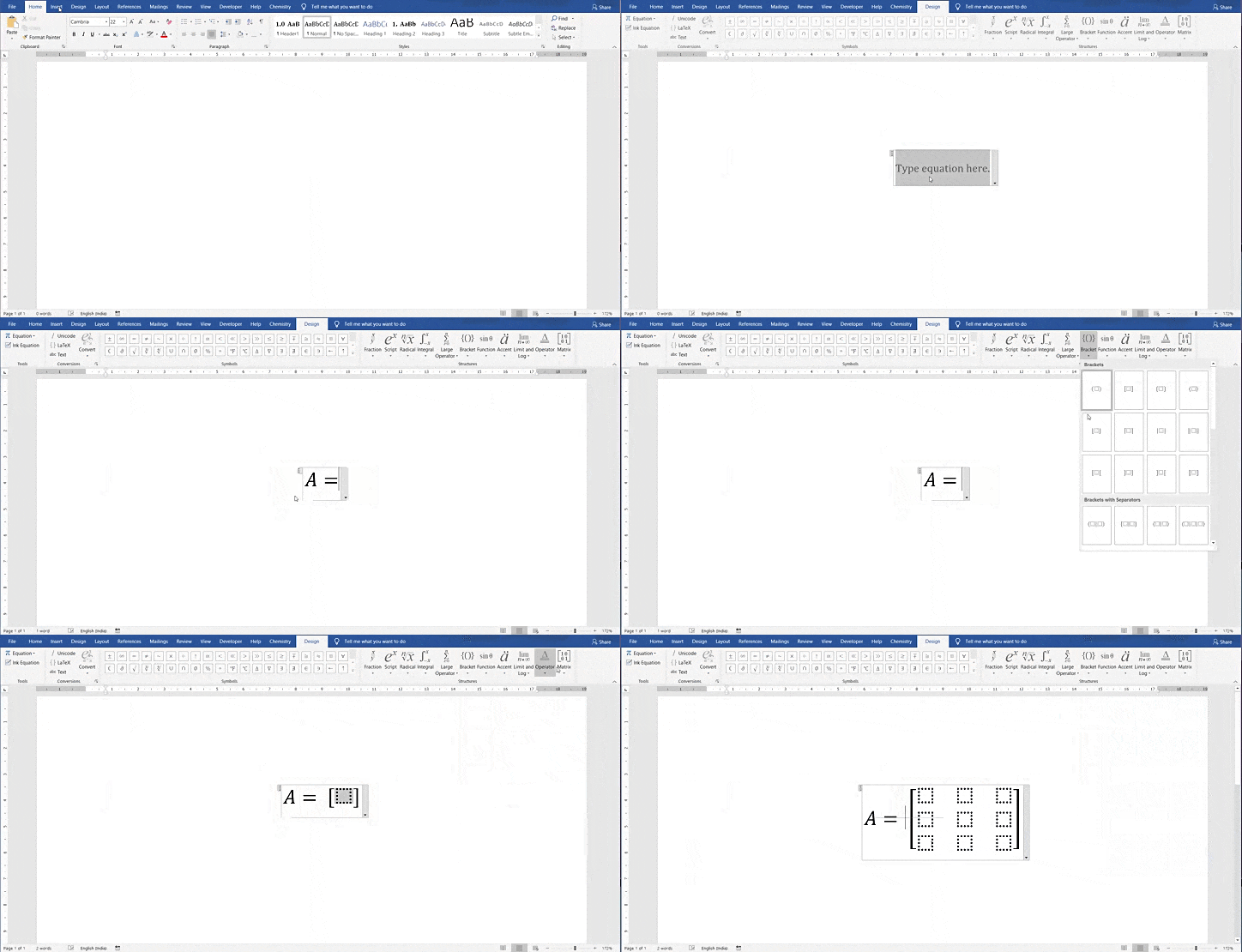
There are two ways to insert matrix in Ms Word, viz. GUI method and Math Autocorrect shortcut. Though GUI method is easy and user friendly, Math Autocorrect shortcut can save much time and effort.
How to Insert a Matrix in Word: Equation Editor and Shortcuts
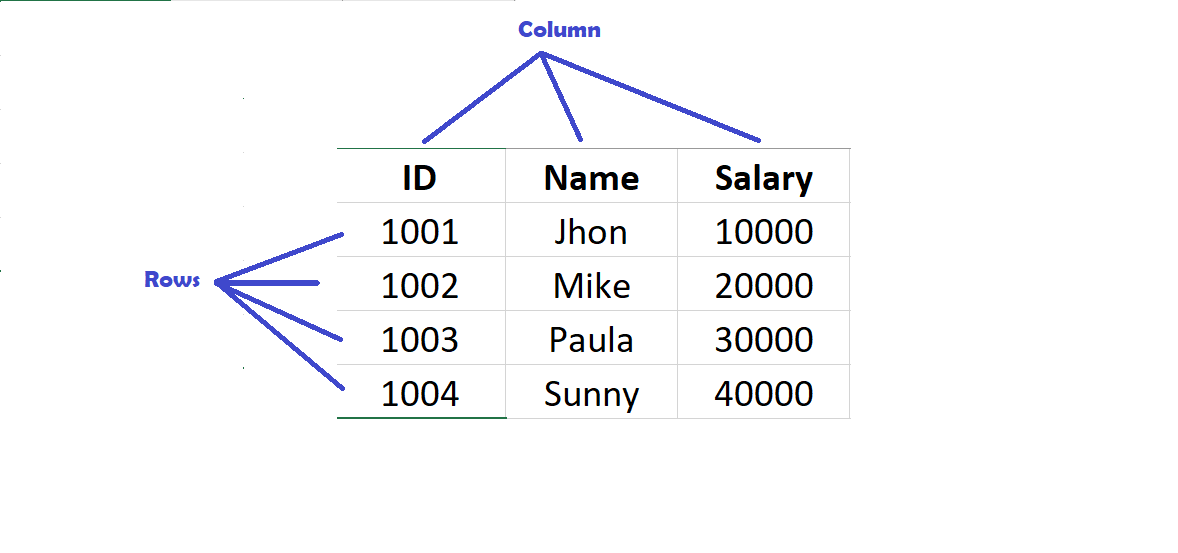
A pandas DataFrame is a two-dimensional labeled table whose columns may contain different data types. This tutorial shows practical ways to create DataFrames from Python data, CSV files and Excel worksheets. DataFrame is a widely used data structure of Pandas and works with a two-dimensional array with labeled axes (rows and columns). Defined as a standard way to store data and has two different indexes, i.e., row index and column… Read More »How to Create a pandas DataFrame: Lists, Dictionaries, CSV and Excel
How to Create a pandas DataFrame: Lists, Dictionaries, CSV and Excel
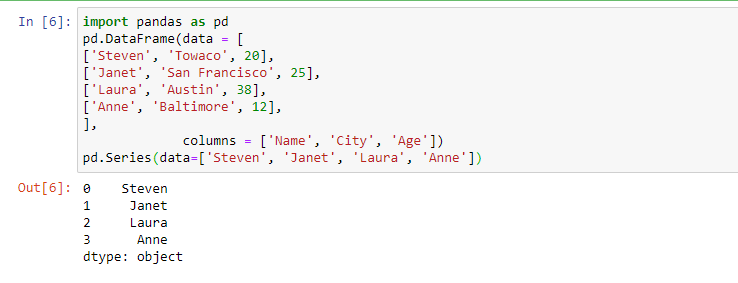
pandas is an open-source Python library for analyzing and transforming labeled data. Its core structures are Series (one-dimensional) and DataFrame (two-dimensional). This beginner guide explains what each structure does, how to install pandas and how to avoid common setup errors. What is pandas used for? Common tasks include loading CSV and Excel files, selecting rows and columns, handling missing values, joining tables, grouping records, reshaping data and analyzing dates. pandas… Read More »Introduction to pandas in Python: Series, DataFrames and Installation
Introduction to pandas in Python: Series, DataFrames and Installation

Insert math and science symbols in Word with Unicode Alt+X and Math AutoCorrect, including arrows, degree signs, equations, and troubleshooting.
Math Symbols in Word: Degree, Arrows, Unicode and Equation Shortcuts
Learn the difference between Python iterables and iterators with tested iter(), next(), StopIteration, custom iterator and generator examples.
Python Iterables vs Iterators: iter(), next(), Generators and Examples
Python’s if, elif and else statements let a program choose which block to execute. This beginner-friendly guide explains the syntax, truthiness, nesting, common errors and working examples you can copy into Python 3. Python if statement: syntax and first example An if statement runs its indented body only when its condition is truthy. End the header with a colon and use consistent indentation (four spaces is conventional). Python evaluates the… Read More »Python if, elif and else: Conditional Statements With Examples
Python if, elif and else: Conditional Statements With Examples
Python is a free, general-purpose programming language used for automation, data analysis, websites, scientific computing and AI. Its readable syntax makes it approachable for beginners, but the right language still depends on performance, deployment and team requirements. This guide explains practical advantages, limitations and a small first project. 1. Readable syntax and fast feedback Python uses indentation to define code blocks, so short programs often require less boilerplate than equivalent… Read More »Why Learn Python? Practical Benefits, Limitations and Use Cases
Why Learn Python? Practical Benefits, Limitations and Use Cases
Solve LeetCode 344 with the two-pointer in-place reverse-string algorithm. Includes Python, Java, and C# code, worked examples, and O(n)/O(1) complexity.
Reverse String in Place: LeetCode 344 in Python, Java and C#
Solve the longest repeated substring problem in Java using binary search, collision-checked Rabin–Karp rolling hashes, examples, and complexity analysis.